Expert analysis · Version 1.11
The Overlooked Ingredient
Chromium(VI) from thermal insulation (high-temperature insulation) and in combustion ashes.
Understanding chromium(VI)
Basic oxides in insulation materials or in the combustion material react above about 300 °C with the chromium present to form calcium and sodium chromate. Removal, cleaning, overhaul and dismantling are affected.
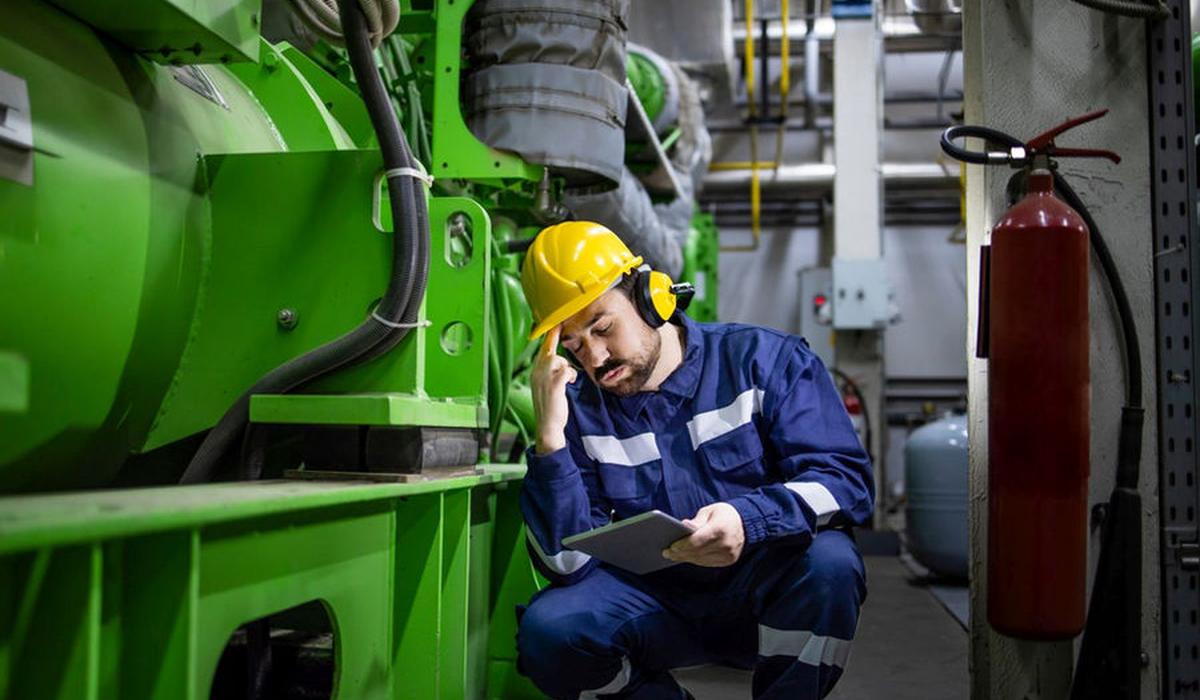
An air measurement below the limit value does not lift the protective regime for carcinogens as long as settled chromate-containing dusts and fibres can be stirred up at any time or skin contact is possible. It covers only the inhalation route and only the conditions during the measurement.
Directive 2004/37/EC: the duties under Articles 3, 4 and 5(1) to (3) do not depend on whether the limit value is reachedUnited Kingdom. Since 1 January 2021 the United Kingdom is no longer bound by Directive 2004/37/EC. The COSHH Regulations 2002 apply. EH40/2005 sets a workplace exposure limit for chromium(VI) compounds of 0.01 mg/m³ as an 8-hour TWA and 0.025 mg/m³ for process-generated chromium(VI). Regulation 6(2)(e) names maintenance with the potential for a high level of exposure as a subject of the assessment.COSHH Regulations 2002, Regulation 6 · EH40/2005
From 1 December 2026 Australia no longer sets an occupational exposure limit for chromium(VI) compounds. It is replaced by the duty to eliminate exposure or minimise it so far as is reasonably practicable (SFAIRP, comparable to the ALARP principle).Safe Work Australia, Workplace exposure limits for airborne contaminants, in force from 1 December 2026
Fields of work
Chromates form in situ where chromium-alloyed hot parts are in contact with alkali and alkaline earth metal oxides during operation. These oxides come from the insulation, where formation starts at about 300 °C, or from ash and combustion residues on grates and hot part surfaces. In waste incineration, chromium(VI) compounds form in particular when the plant is shut down and the grate and ash residues cool with access to oxygen, and in direct desulphurisation with calcium hydroxide or limestone powder. The chemical process is the same in all five fields; what differs are the plants and the activities during which the chromates are released.
Risk assessment, risk concept, list of exposed workers
Formation pathway, sampling and analysis
Removal, decontamination, disposal
Oxide composition as a procurement criterion
Chromates in ash and boiler deposits
Chromate expertise
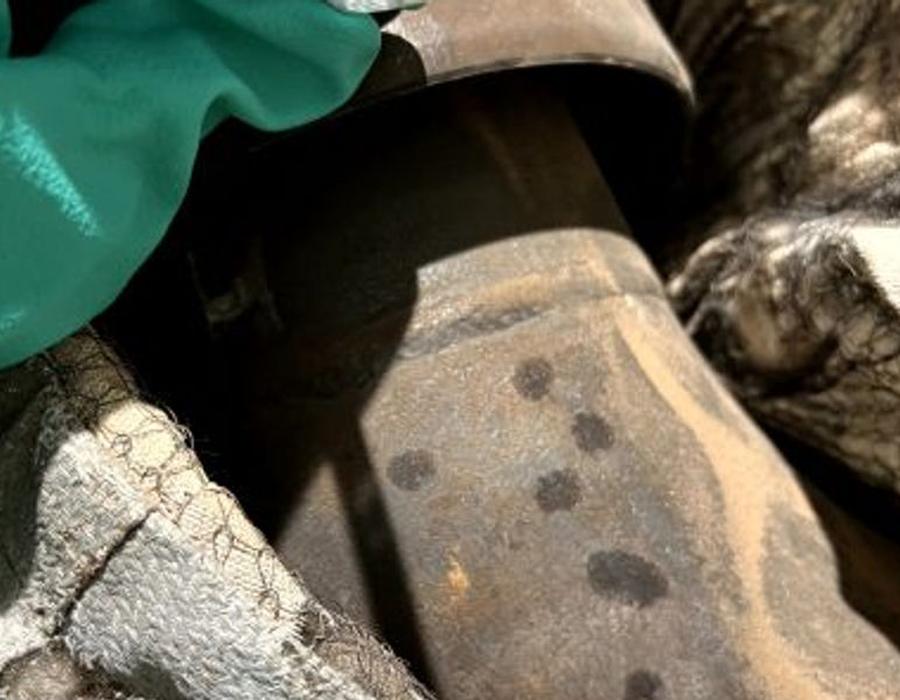
In the delivered state no chromate is present. It forms at the interface between insulation and component and forms again after every start-up. Which compound forms depends on the oxides in the insulation.
Colorimetric quick tests miss chromium(VI) that the laboratory detects. A negative test does not lift the duties.
Chromate remediation
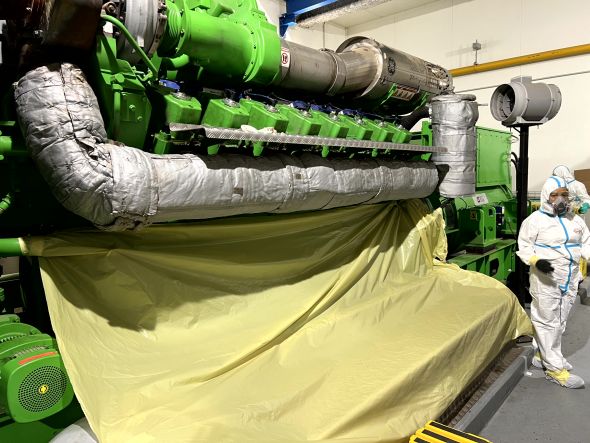
Remediation begins with the removal of the thermal insulation and ends with the proof of disposal. In between lie low-dust working, enclosure, personal protective equipment and the documentation of exposure.
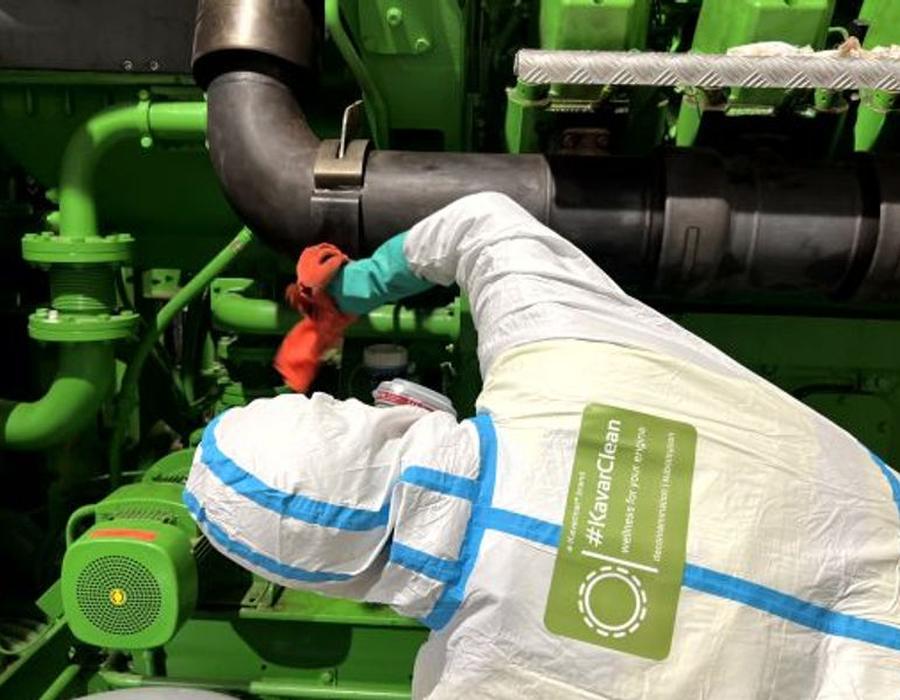
 Before
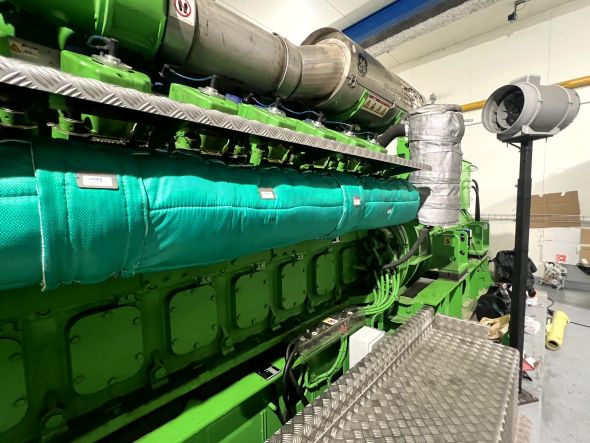 After
Incineration ash
Waste incineration brings the oxides and the chromium-alloyed steel together in the same plant. Incineration ash containing chromium(VI) is a field of its own, with its own questions on sampling, classification and disposal route.
Expert analyses
Chromium(VI) from thermal insulation (high-temperature insulation) and in combustion ashes.
Reinstalling chromate-contaminated mineral wool as an authorisation-required use (REACH) of the chromium(VI) compound sodium chromate.
For download
Blog
Manufacturer notices
Notices on the formation of Chromium(VI) on insulated hot parts have been updated since November 2020. They concern exhaust systems, turbochargers, heat shields, steam turbines and insulated pipework.
The network
A network with members in Germany, Switzerland and the United Kingdom. It deals with the formation of Chromium(VI) compounds on thermally stressed chromium-alloyed components in industry, power generation, shipping and vehicle engineering.