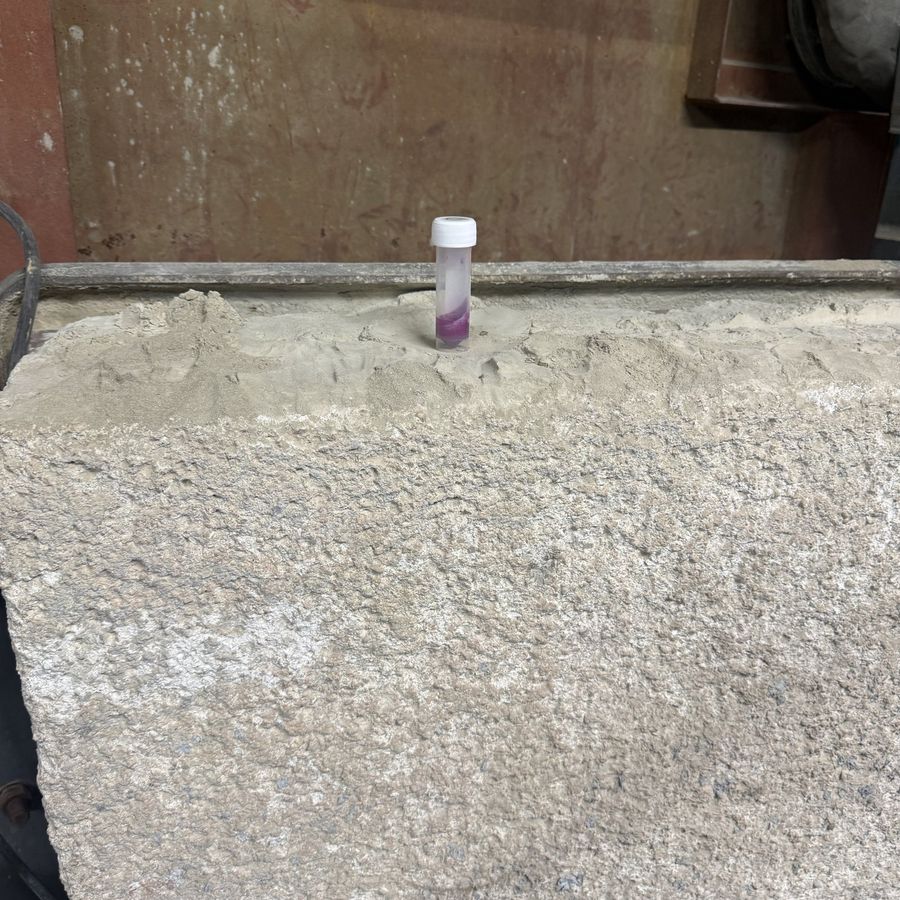
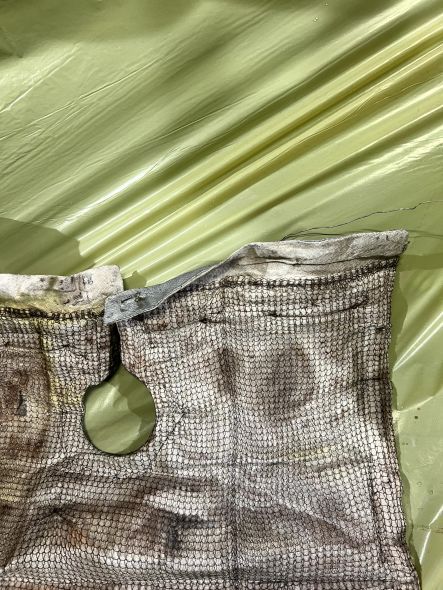
Because of their toxicity, chromate-contaminated old insulation and thus the removed (textile) insulation elements are hazardous waste requiring labelling, which must be transported and disposed of in a special manner.
Article 5(5)(m) of Directive 2004/37/EC requires the collection, storage and removal of the waste to be ensured, among other things through hermetically sealable and clearly labelled containers. In Germany the mixing ban under section 9a(1) of the Circular Economy Act (KrWG) applies in addition.
The Effinowicz Group offers controlled waste management in Germany, Austria, Switzerland, Liechtenstein and Italy, in particular for the disposal of chromate-contaminated insulation waste from CHP plants and other power-generating plants.
Stephan Effinowicz, chromate expert
- Waste management officer under sections 59 and 60 KrWG (Germany)
- Trading in ferrous scrap and non-ferrous metals
- Industrial dismantling
Area of work
- Monitoring disposal routes from the generation or delivery of waste to recovery or disposal
- Monitoring compliance with legal requirements on waste generation and disposal
- Informing employees about possible harmful environmental effects and the proper handling of waste
- Developing proposals and introducing measures for waste reduction
- Working towards improved processes at facilities in which waste is recovered or disposed of
- Preparing an annual report on measures taken and planned